
How to Book Hotel Rooms for a Group: A Stress-Free Guide

TL;DR
- Most hotels treat 10 or more rooms per night as a group booking. Some will negotiate at 9. Below that, you’re paying regular rates.
- Before contacting any hotel, nail down five things: your dates, room count, room types, nightly budget, and any special needs like meeting space.
- Guests pay for their own rooms. With a courtesy block, the organizer commits to nothing and unsold rooms release automatically before arrival.
- Group rates run well below public pricing, and hotels routinely add perks like a comp room for the organizer, suite upgrades, and waived fees. You have to ask.
- A group booking service does the calling and negotiating for you and sends back proposals to compare. Commission-free for you, because hotels pay the commission.
You know the drill. Someone volunteers to handle hotels for the wedding, the tournament, or the sales kickoff, and three weeks later they’re buried in browser tabs, half-answered emails from hotel sales offices, and a group chat asking “did anyone book yet?”
It doesn’t have to go that way. Group hotel booking follows a predictable process, and once you know it, most of the stress disappears. Here’s how it works, start to finish.
What counts as a group hotel booking?
Ten rooms. That’s the threshold at most US hotels: book 10 or more rooms per night for the same dates and you’ve crossed from regular reservations into group territory, which unlocks negotiated rates, held inventory, and a sales manager instead of the front desk. Some hotels will work with you at 9 rooms, and a few independents go lower, so it never hurts to ask if you’re close.
Why do hotels bother discounting? Because one confirmed group fills rooms they’d otherwise market one traveler at a time. Your 15 rooms are guaranteed revenue with almost no acquisition cost. That’s leverage, and it belongs to you, not the hotel.
Who books hotel rooms as a group?
The same process serves very different groups, and hotels are set up for all of them:
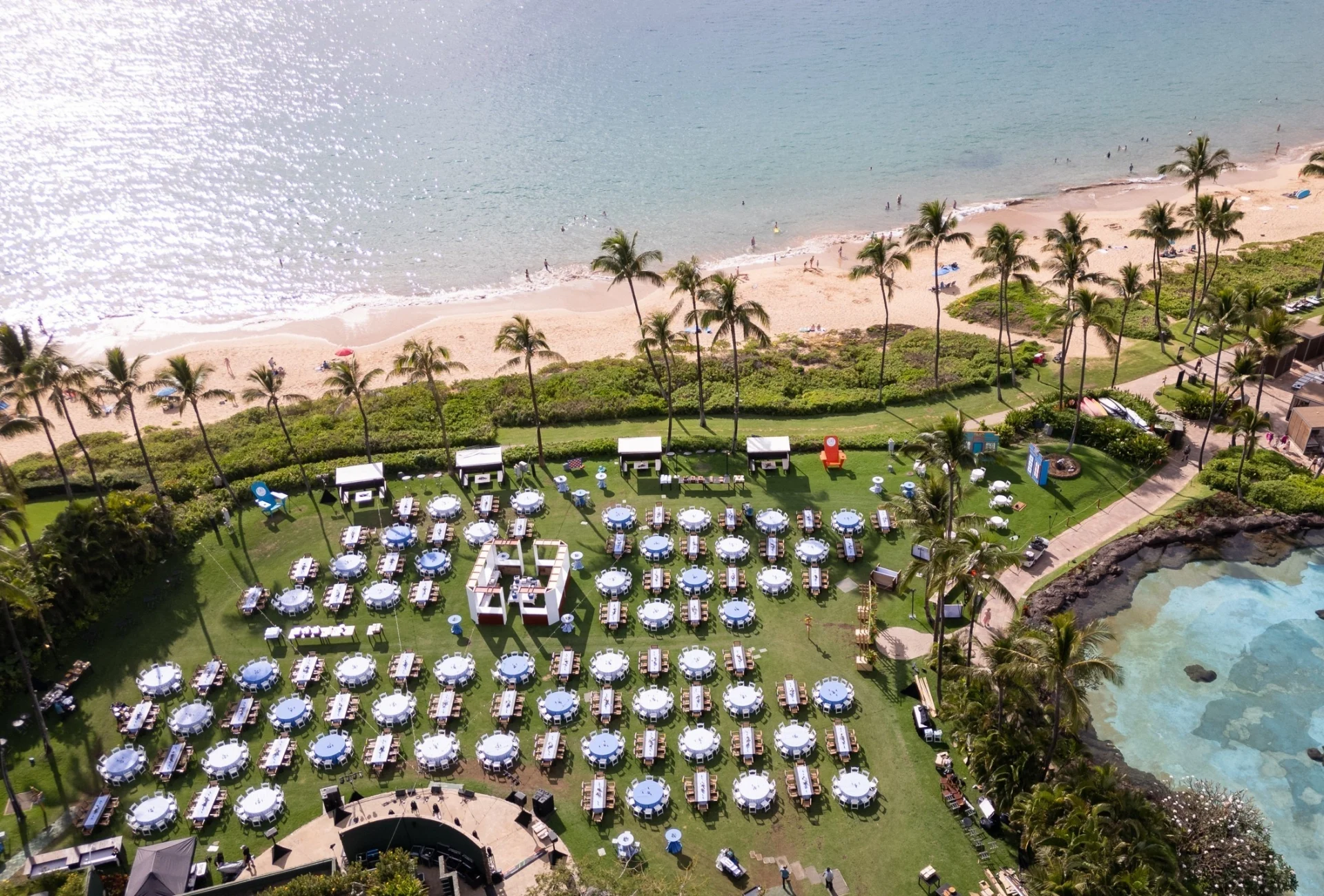
Weddings block rooms near the venue so guests stay together and pay less. Corporate teams book for conferences, retreats, and trainings, usually with meeting space and Wi-Fi requirements attached. Sports teams need rooms near the tournament, early breakfast, and sometimes a coach’s room comped. Family reunions want everyone under one roof with common space to gather. And construction and project crews book extended stays close to the job site, where kitchens and laundry matter more than a pool.
Each of these groups negotiates different things, but the mechanics underneath are identical: hit the room minimum, get a negotiated rate, hold the rooms in a block.
What to prepare before you contact any hotel
Vague inquiries get slow, vague answers. Walk in with these five things and hotels can quote you accurately the first time:
| Detail | Example |
|---|---|
| Group type and event | “Wedding block for June 13” or “12U baseball tournament” |
| City and dates | Check-in and checkout, plus how flexible the dates are |
| Rooms per night | Your peak-night count, e.g. 18 rooms Friday and Saturday |
| Room types and budget | Kings vs. doubles, any suites or ADA rooms, target rate per night |
| Special requests | Meeting room, breakfast, parking, proximity to a specific venue |
Two timing notes. First, book 6 to 9 months ahead for large groups; selection and rates both get worse as the calendar closes in. Second, check what else is happening in that city on your dates. A convention or a big game can double rates citywide, and shifting your event one week can save the whole group real money.

Two ways to get group rates
Do it yourself. Call each hotel’s group sales office, describe your group, wait for quotes, and compare them in a spreadsheet. It works, and for a single obvious hotel choice it can be quick. The pain shows up when you want competing offers: quotes arrive in different formats over several days, some include taxes and fees while others don’t, and you’re the one pushing back on contract terms you’ve never seen before.
Use a group booking service. You fill out one form with the five details above. A specialist sends your requirements to multiple hotels that fit, the hotels compete for the business, and you get back a handful of proposals to compare side by side. At Hotel Rates Direct, a real specialist handles the negotiation and contract terms, and the service is commission-free for you because hotels pay us.
Here’s the honest comparison:
| Booking on Your Own | With a Group Booking Service | |
|---|---|---|
| Rates | Whatever each hotel offers you | Negotiated rates with hotels competing |
| Finding hotels | Research and call one by one | Matched to properties that fit your specs |
| Comparing quotes | A spreadsheet you build and maintain | 2 to 4 proposals in one format |
| Contract terms | You review attrition and cutoff clauses yourself | A specialist negotiates terms for you |
| Cost | Your time, and plenty of it | Commission-free; hotels pay the commission |
Skip the phone calls entirely
One short form with your dates and room count. We contact the hotels, negotiate the rates, and send you 2 to 4 proposals to pick from. Commission-free for you because hotels pay us.
Get My Group Rate Quote Call (331) 314-9625The perks hotels give groups (if you ask)
Room rate is the headline, but group contracts have a second layer most first-time organizers never touch. Hotels expect these requests from experienced negotiators:
A comp room. One free room per 20 to 40 booked is a standard concession. It usually goes to the organizer, the couple, or the coach.
A suite upgrade. The organizer or guest of honor gets bumped to a suite at the standard room rate. Cheap for the hotel, meaningful for whoever gets it.
Waived fees. Parking, resort fees, and Wi-Fi charges are all negotiable for groups, and waiving them saves more than another dollar off the rate would.
Event support. Private or expedited check-in, a discounted meeting room, early access for setup, and welcome amenities in rooms are all on the table, especially for weddings and corporate groups.
A courtesy block. This one matters most. The hotel holds your rooms at the group rate with zero money down. Guests book their own rooms with a group code, each pays for their own stay, and any rooms nobody books release back to the hotel at the cutoff date, usually 30 days out. The organizer never fronts a dime. The alternative, a contracted block with an attrition clause, guarantees your rate but commits you to filling 80 to 90 percent of the rooms or paying for the empties. If your headcount is soft, push for the courtesy block or negotiate the attrition percentage down before signing.
Keeping the booking smooth after you sign
Most group booking headaches happen after the rate is locked, and almost all of them trace back to communication. Four habits prevent nearly all of it:
One point of contact. Pick one person to talk to the hotel. When five relatives each call the sales office with changes, blocks get mangled.
Share the booking link everywhere. Send guests the group code or booking link with the deadline in bold, then send it again. The single most common group booking failure is guests missing the cutoff and paying rack rate, or worse, finding the hotel sold out.
Let guests pay for themselves. With a courtesy block this is automatic. The organizer coordinates; nobody plays banker.
Report changes fast. Headcount grew? Dates shifted? Tell the hotel, or your booking specialist, as soon as you know. Blocks can usually flex if there’s time, and rarely if there isn’t.
That’s the whole process: hit 10 rooms, prep five details, get hotels competing, ask for the perks, and manage the block with one voice. It works the same for a wedding block, a team trip, a corporate event, or any group travel, anywhere in the world.
Frequently Asked Questions
How many rooms do you need for a group hotel booking?
Most US hotels set the group threshold at 10 rooms per night for the same dates, and some will negotiate at 9. Below that, you’ll generally book at standard rates, though independent hotels sometimes flex for smaller groups.
Can you book group hotel rooms online, or do you have to call?
You can start online. A group booking service takes one form with your dates, room count, and budget, then contacts hotels and returns quotes, so you skip the phone calls. Booking group rates directly through a hotel’s website is usually not possible; those rates come from the group sales office.
How much cheaper are group hotel rates than standard rates?
Negotiated group rates typically land 15 to 35 percent below public pricing, and the rate is locked for the whole block rather than climbing as the hotel fills. Perks like comp rooms and waived fees add savings on top.
Who pays for the rooms in a group booking?
Each guest pays for their own room in almost all group blocks. The organizer sets up the block and shares the booking code; with a courtesy block, the organizer commits no money and unsold rooms release at the cutoff date.
What’s the difference between a courtesy block and a contracted block?
A courtesy block holds rooms at the group rate with no financial commitment, and unsold rooms release automatically, usually 30 days before arrival. A contracted block guarantees the rate but includes an attrition clause requiring you to fill 80 to 90 percent of the rooms or pay for the empties.
What does a group booking service cost?
Nothing for you. Hotel Rates Direct is commission-free for clients because hotels pay the commission. You get negotiated rates, contract review, and a specialist managing the block, and you pay only the room rate.

Ready to book your group?
10+ rooms, any destination worldwide. One short form and we respond ASAP with negotiated options. No obligation, no fees.
Request a Quote Call (331) 314-9625