
Incentive Travel Pricing: What a Winners’ Trip Really Costs
TL;DR
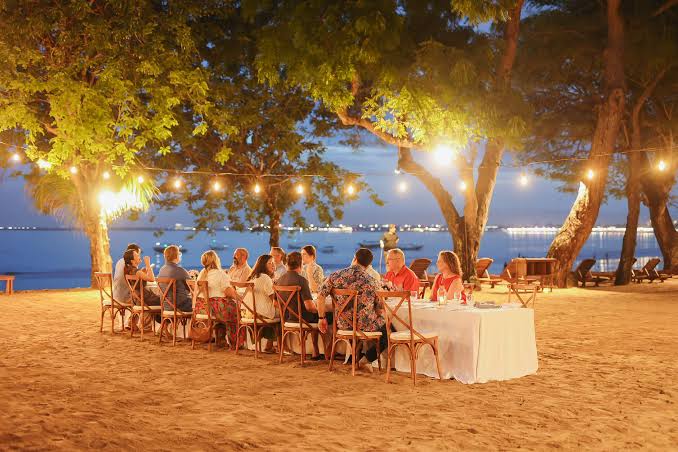
- Plan incentive travel at $3,000 to $6,000 per attendee all-in for a typical 4-night program, and $7,500+ for true luxury tiers. Hotels and resorts absorb roughly 30 to 40 percent of that budget.
- All-inclusive resorts in Mexico and the Caribbean are the budgeting cheat code: one fixed per-person cost covers rooms, meals, and drinks, which is why they dominate mid-budget incentive programs.
- Winner counts move until the qualification period closes, so the hotel contract needs soft attrition, late rooming-list deadlines, and a suite-upgrade path for top performers built in from the start.
- Book 12 to 18 months out. Incentive programs compete for the same winter-sun resort weeks, and the properties worth rewarding people with sell those weeks first.
- A group booking service negotiates the resort block, the comps, and the flexible terms at multiple properties for you. Commission-free for your company, because hotels pay the commission.
An incentive trip has one job: make your best people feel like winning mattered. That’s a different brief than a conference. Nobody dreams all year about a hotel near the airport, which is why incentive travel costs what it costs, and why the pricing question deserves a straight answer instead of “it depends.”
Here’s what incentive travel pricing actually looks like: the per-person benchmarks, where the money goes, which destinations fit each budget tier, and the hotel contract terms that matter when your attendee list isn’t final until the sales quarter closes.
What incentive travel costs per person
The honest planning numbers for a 4-night program, all-in (rooms, air, meals, events, activities, and gifts):
| Program Tier | Per Attendee, All-In | What It Looks Like |
|---|---|---|
| Value program | $3,000 to $4,500 | All-inclusive resort in Mexico or the Caribbean, group excursions, awards dinner on property |
| Signature program | $4,500 to $7,500 | Upscale US resort (Scottsdale, Florida, Napa) or Hawaii, choice-based activities, branded gifting |
| Luxury / President’s Club | $7,500+ | Wailea, Los Cabos, Europe, suite-heavy blocks, spouse program, buy-out-level exclusivity |
Add roughly 60 to 100 percent on top of the winner count if partners and spouses are invited, since a “100-winner” trip is really a 170-plus-attendee program. And treat the per-person number as the honest unit of planning, because it’s the number the CFO will ask for and the number every trade-off gets measured against.
Where the budget goes
A typical incentive budget splits about like this: hotels and resorts 30 to 40 percent, air 20 to 25 percent, food, beverage, and events 20 to 25 percent, activities and excursions 10 to 15 percent, and gifting, production, and planning taking the remainder. Two implications follow. First, the hotel is the single biggest lever, so a well-negotiated resort contract moves the whole budget more than trimming anywhere else. Second, this is why all-inclusive resorts dominate mid-budget programs: rooms, meals, and drinks collapse into one fixed per-person rate, the two biggest cost lines stop moving, and the finance team gets a number that holds.
Destinations by budget tier
Value tier: Cancun, Riviera Maya, Punta Cana, Jamaica. The all-inclusive capitals. Predictable per-person pricing, big event lawns and ballrooms, short flights from most of the US, and enough resort competition that group negotiations have real teeth. The move within this tier is buying up: an adults-oriented or club-level section of an all-inclusive reads as far more premium than its price.
Signature tier: Scottsdale, Florida’s gulf and Atlantic resorts, Napa, Los Cabos, Hawaii. US and near-international resorts where the program shifts from all-inclusive packages to negotiated blocks plus banqueted events. Hawaii deserves its own note: it’s the most-requested reward destination in American sales culture, and Wailea specifically is incentive row; our Hawaii group hotel guide covers the island choice and the 12-month-plus lead times.
Luxury tier: Wailea’s top properties, Los Cabos’ resort corridor, the Caribbean’s small-island exclusives, Europe. Suite-heavy blocks, spouse programs, and in some cases partial or full buy-outs. At this tier the hotel spend is the message, and the negotiation is less about rate than about exclusivity: private venues, dedicated staff, and the sense that the resort belongs to your winners for the week.
The incentive contract: negotiate for a moving winner list
Here’s the structural problem unique to incentive travel: you contract the resort 12 to 18 months out, but the attendee list isn’t final until the qualification period closes, sometimes weeks before travel. Standard group contracts punish that uncertainty, so negotiate these terms in from the beginning:
Soft attrition and a low guarantee. Contract the room count you’re confident in, with the right to add rooms at the group rate as qualifiers firm up, rather than guaranteeing the hopeful number and paying attrition on the shortfall. Resorts will structure it this way for incentive business if asked; they won’t volunteer it.
Late rooming-list and name-change flexibility. Winners get named late and occasionally swap out. Free name changes until days before arrival should be written in, not assumed.
A suite path for top performers. Reserve a handful of suites and upgrades at contracted rates for your top tier and executives, because upgrading at prevailing rates during a sold-out week is where budgets die quietly.
The standard comp stack, incentive-sized. A comp room per 20 to 40 booked, staff rooms at a reduced rate, resort fee and Wi-Fi waivers, and welcome amenities in every room. On a 60-room incentive block these concessions are worth five figures.
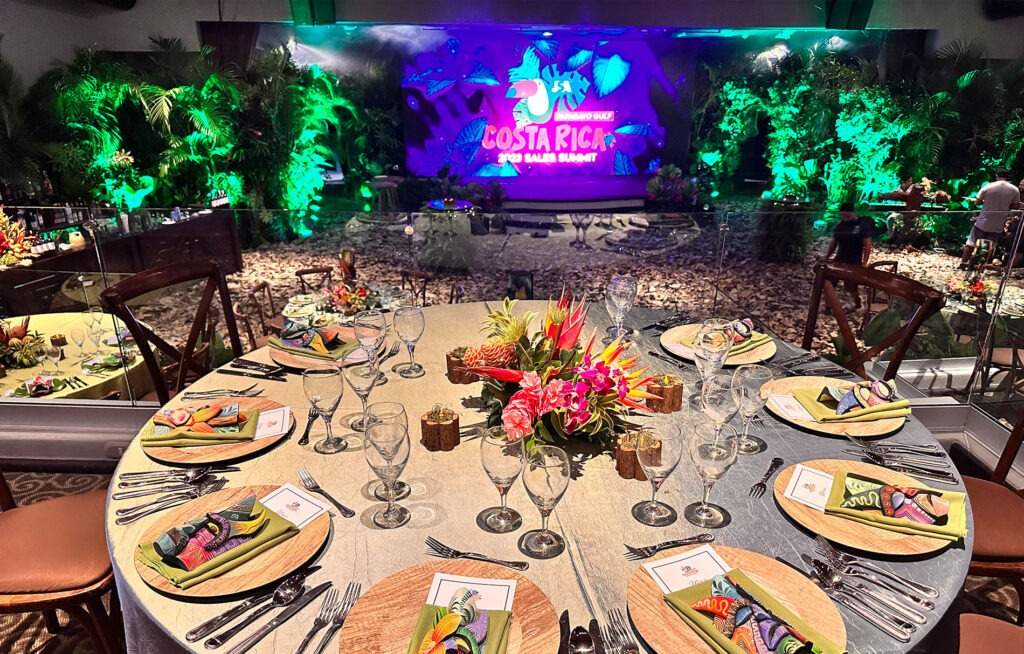
Private space for the awards night. The awards dinner is the emotional center of the trip. Get the venue, the rain backup, and the food and beverage minimum into the contract while the block is your leverage.
Planning an incentive trip?
Tell us your destination shortlist, dates, and winner estimate. We’ll negotiate resort blocks with incentive-friendly terms, soft attrition and suite paths included, and send you 2 to 4 proposals. Commission-free for your company because hotels pay us.
Get My Incentive Trip Quote Call (331) 314-9625Making the budget work harder
The levers that stretch an incentive budget without making the trip feel cheaper: shoulder-season dates at marquee destinations (a Wailea program in late April costs signature-tier money for a luxury-tier experience), all-inclusive structures wherever the tier allows, midweek travel patterns that miss weekend resort pricing, and concentrating spend where winners feel it, the room, the awards night, the send-off gift, rather than spreading it thin across every line. A smaller program at a better property nearly always beats a bigger program at a lesser one, because the whole point is how it feels to have earned it.
And the part we handle: at Hotel Rates Direct, a real specialist shops your program to resorts that fit the tier, negotiates the block with the incentive-specific terms above, and sends you side-by-side proposals with the all-in per-person math worked out. It’s commission-free for your company because hotels pay us, and it works from a 10-winner first-year program to a full President’s Club, worldwide. Start at our incentive travel hotel booking page, or see the corporate negotiated rates guide for the broader corporate playbook.
Frequently Asked Questions
How much does incentive travel cost per person?
Plan on $3,000 to $4,500 per attendee all-in for a value program at an all-inclusive resort, $4,500 to $7,500 for a signature program at an upscale US resort or Hawaii, and $7,500 or more for luxury President’s Club tiers. Include partners and spouses in the count, since they typically add 60 to 100 percent to attendance.
How much of an incentive budget goes to the hotel?
Roughly 30 to 40 percent, making the resort contract the single biggest budget lever. Air runs 20 to 25 percent, food and events another 20 to 25, with activities, gifting, and production taking the rest.
What are the best resorts for incentive travel?
It depends on tier: all-inclusive resorts in Cancun, the Riviera Maya, Punta Cana, and Jamaica for value programs; Scottsdale, Florida resort corridors, Napa, Los Cabos, and Hawaii for signature programs; and Wailea’s top properties, small-island Caribbean exclusives, and Europe for luxury tiers. The right resort is the best property your per-person number affords at your dates.
Why do incentive programs use all-inclusive resorts?
Budget certainty. Rooms, meals, and drinks collapse into one fixed per-person rate, which locks the two biggest cost lines and gives finance a number that holds. Adults-oriented and club-level sections let a value budget read as premium.
How far ahead should an incentive trip be booked?
Twelve to eighteen months. Incentive programs compete for the same winter-sun and spring resort weeks, and marquee properties sell those weeks first. Contract early with soft attrition and name-change flexibility, since the winner list stays in motion until qualification closes.
What does a group booking service cost for an incentive program?
Nothing. Hotel Rates Direct is commission-free for companies because hotels pay the commission. You get resort proposals matched to your tier, incentive-specific contract terms negotiated in, and a specialist managing the block through the final rooming list.
Get incentive resort proposals with the math done
Any tier, any destination, 10+ rooms. One short form and we respond ASAP with all-in per-person options. No obligation, no fees.
Request a Quote Call (331) 314-9625